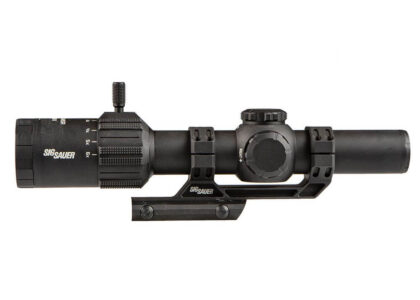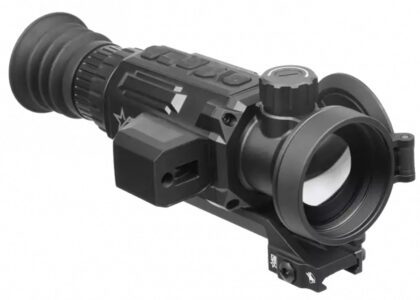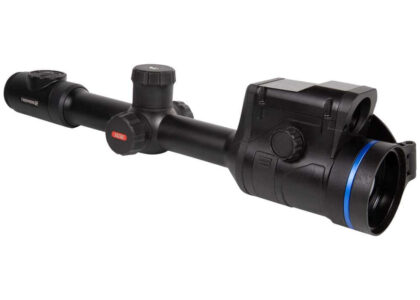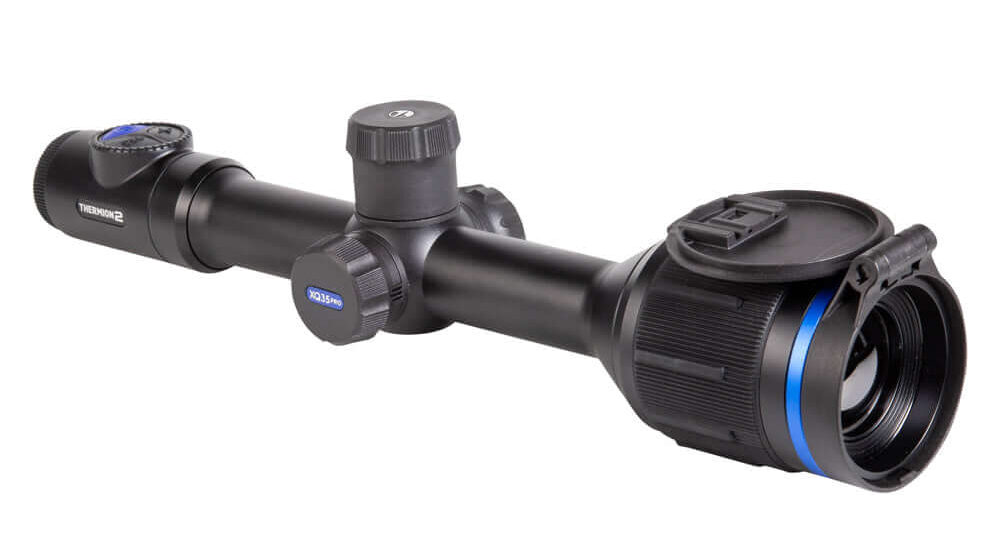
Thermal vs night vision is the first big question most hog hunters face when they start hunting after dark. Both let you see at night, yet they work in very different ways. As a result, each one shines in different situations. This guide explains how the two technologies work, where each one wins, and how to pick the right optic for the way you hunt.

How thermal and night vision work
A thermal scope does not use light at all. Instead, a sensor called a microbolometer reads the heat that animals, people and objects give off. The scope then turns those small temperature differences into an image. Because of this, a warm hog stands out clearly against cooler grass, brush or mud.
Night vision works differently. It collects the small amount of light that is already there, such as moonlight or starlight, and makes it brighter. Most modern digital night vision scopes also use an infrared (IR) illuminator. This acts like an invisible flashlight that lights up the scene for the camera.
Thermal vs night vision: detection
For finding animals, thermal wins easily. Hogs give off a strong heat signature, so they pop out of the scene even when they stand in tall grass or at the edge of a tree line. In addition, thermal works through light fog, dust and smoke better than night vision does.
Night vision, on the other hand, needs a clear line of sight. A hog standing in thick cover can blend into the background, especially on a dark night with no moon.
Thermal vs night vision: identification
Identification is where night vision catches up. Night vision shows a more natural, detailed picture. You can often see markings, the shape of the face and what lies behind your target. That matters, because you must be sure of your target and your backstop before every shot.
Thermal shows heat, not detail. A good 640 sensor gives a sharp image, but a budget 384 unit can make it harder to tell a hog from a calf or a dog at longer range. For this reason, many hunters scan with thermal and then confirm with a higher magnification or a second device.
Range, weather and conditions
Thermal performance depends on contrast between the animal and its background. Right after sunset, rocks and soil can still hold heat from the day, so contrast drops for a while. Likewise, heavy rain can reduce range because water evens out surface temperatures.
Night vision range depends mostly on the IR illuminator. A strong IR lamp lets you see well at short to medium range. However, rain, fog and dust reflect the IR light back at you and wash out the picture.
Cost and value
Digital night vision is usually the cheaper way to start hunting at night. Entry-level night vision scopes cost much less than most thermal scopes. That said, thermal prices have come down a lot in recent years, and an entry-level 384 thermal is now within reach for many hog hunters.
Overall, thermal gives you more for your money if your main goal is finding and shooting hogs quickly. Night vision makes sense if you hunt open fields at close range, or if your budget is tight.
Thermal vs night vision for hog hunting: our verdict
So which should you buy? For most hog hunters, thermal is the better choice. In short, it finds animals faster, works in more conditions and makes it much harder for hogs to hide. Here is a quick summary:
- Choose thermal if you hunt brush, tree lines or tall crops, or if you want to spot hogs fast.
- Choose night vision if you hunt open fields at close range and want a lower-cost option with a natural image.
- Use both if you can. Many serious hunters use a thermal monocular to scan and a night vision or thermal scope on the rifle.
Thermal vs night vision: frequently asked questions
Can thermal see through walls or glass?
No. Thermal cannot see through walls, and glass blocks most thermal energy. As a result, a thermal scope cannot see through a car window or a house window. It reads surface heat only.
Does night vision work in total darkness?
Digital night vision needs some light. On a dark night, it relies on its built-in IR illuminator. Without IR, the image will be very dark or blank.
Is thermal legal for hunting?
Rules vary by state and by species. Many states allow thermal for hogs and predators, but some limit it for game animals. Therefore, always check your state wildlife agency’s rules before you hunt.
Where to start
If you are new to night hunting, start with a 384 thermal scope with a 25mm to 35mm lens. It gives you a wide view for groups of hogs and fast target pick-up. Then, as your hunting grows, you can step up to a 640 sensor or a model with a built-in laser rangefinder.
You can compare models in our thermal rifle scopes range, or browse our night vision scopes. For a deeper look at specs, read our guide on how to choose a thermal scope. Still not sure? Contact our team, and we will help you choose.