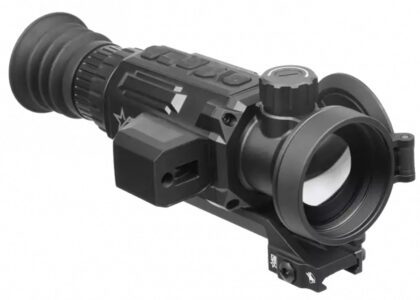

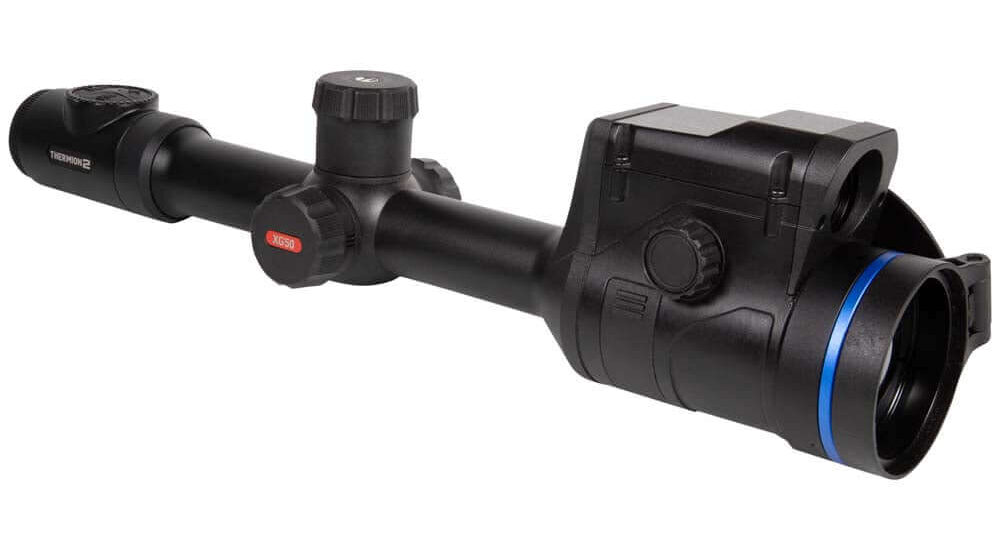
Knowing how to zero a thermal scope is just as important as choosing the right one. A thermal scope that is not zeroed will miss, no matter how clear the picture is. The good news is that the process is simple once you know the tricks. This guide walks you through each step, from choosing a target to confirming your zero.
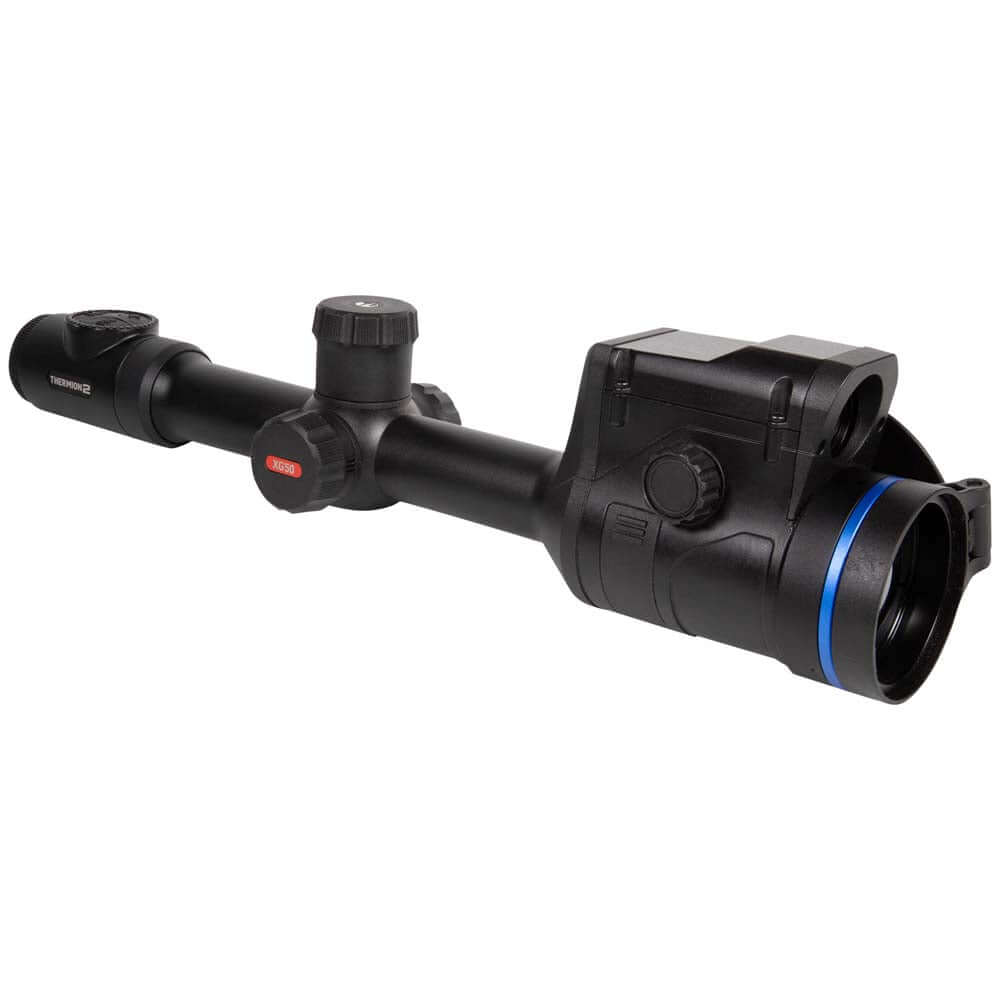
Why the way you zero a thermal scope is different
A normal paper target looks blank through a thermal scope. Paper and ink are the same temperature, so the scope cannot see your aiming point or your bullet holes. For this reason, you need a target that creates a heat difference. Once you have that, zeroing works much like it does with a day scope.
What you need to zero a thermal scope
- A solid rest, such as a bench, bipod or sandbags.
- A thermal target, or a homemade heat target.
- Your hunting ammunition, so the zero matches what you shoot in the field.
- Spare batteries for the scope.
- Binoculars or a spotting scope to check hits in daylight.
Step 1: Make a target the scope can see
The easiest option is a commercial thermal target. These use a reflective or heat-reactive material that shows clearly through a thermal scope. Alternatively, you can make your own. For example, tape a hand warmer or a heat pack behind the centre of a cardboard target. Another simple trick is to cut out a square of aluminium foil and tape it to the target. Foil reflects the cold sky, so it appears dark against the warmer cardboard.
Step 2: Mount the scope and set it up
First, mount the scope firmly using quality rings or the supplied mount. Check that every screw is tight to the correct torque. Next, turn the scope on and let it warm up for a minute. Then calibrate the sensor and choose a colour palette that gives clear contrast, such as white hot or black hot. Finally, select a reticle with a fine centre point.
Step 3: Start close
Start at 25 yards. This makes sure your first shots land on the target. Next, fire a group of three shots at the centre of the heat source. Your bullet holes will often show up as small warm spots, because the bullet heats the cardboard as it passes through. If you cannot see them, walk down and mark them by hand.
Step 4: Adjust the reticle
Most thermal scopes zero through a menu rather than turrets. Open the zeroing menu and select the distance you are zeroing at. Then move the reticle in clicks until it sits on the centre of your group. Many scopes also offer a freeze function. This captures a still image of the target, so you can move the reticle onto your bullet hole without the image shifting. Some models also offer a one-shot zero, which works in a similar way.
Always save your settings before you leave the menu. Otherwise, the scope may discard your changes.
Step 5: Move back and confirm
After that, move back to 100 yards, or to the distance you usually shoot. Fire another three-shot group and adjust again if needed. Then shoot one more group to confirm the zero. When three groups in a row land where you aim, you are done.
Tips after you zero a thermal scope
- Save a separate zero profile for each rifle or ammunition type, if your scope supports it.
- Check your zero before each season and after any hard knock.
- Use the same ammunition you zeroed with. Different bullet weights often hit a different point.
- Write down your zero settings, so you can restore them after a firmware update.
Common mistakes when you zero a thermal scope
The most common mistake is not saving the zero in the menu. Another is zeroing on a cold target and guessing where the bullets hit. Likewise, loose rings cause a zero to wander over time. Fortunately, each of these is easy to avoid once you know about it.
How to zero a thermal scope: frequently asked questions
What distance should I zero my thermal scope at?
Most hunters zero at 100 yards. However, if most of your shots are closer, for example at hogs in thick cover, a 50-yard zero can make sense.
Can I zero a thermal scope during the day?
Yes. In fact, daytime zeroing is often easier, because you can check your hits with binoculars. Just make sure your target creates a clear heat difference.
Why did my thermal scope lose its zero?
The most common causes are loose rings, a knock to the scope or a change of ammunition. Also check that the correct zero profile is selected in the menu.
Summary: how to zero a thermal scope
To sum up, here is how to zero a thermal scope: use a heat target, start at 25 yards, adjust with the freeze function, then confirm at your hunting distance. With a little practice, the whole process takes less than an hour.
Looking for a new optic? Browse our thermal rifle scopes, or see our rings and mounts for a solid base. For general rifle safety and range practice, the National Shooting Sports Foundation is a useful resource. If you have questions about a specific model, contact our team.