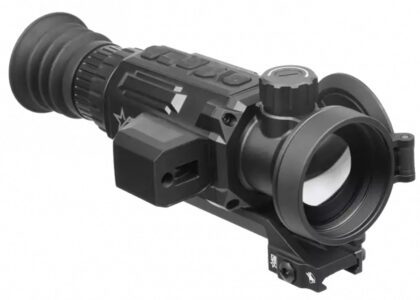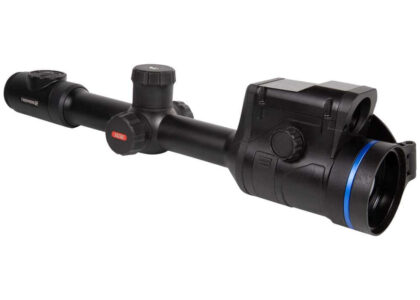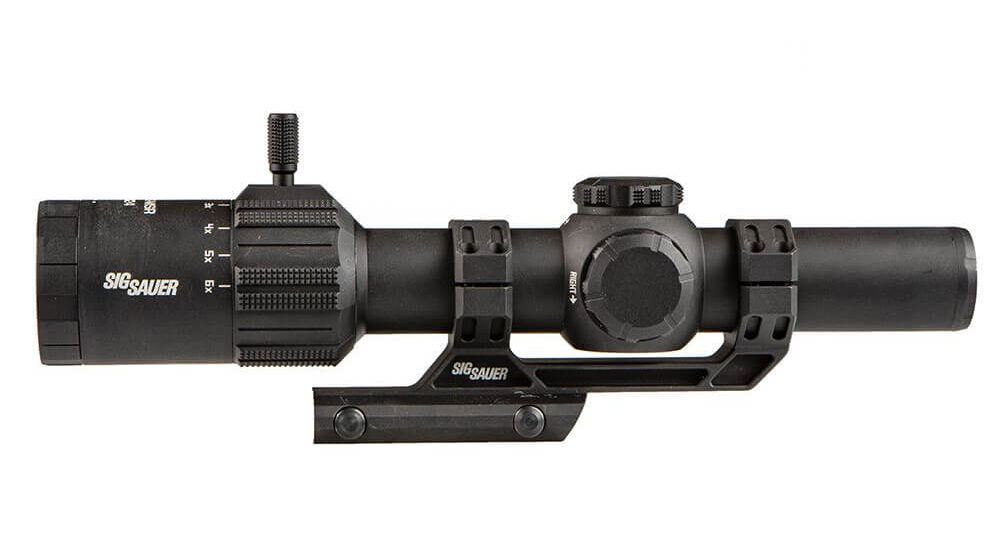
LPVO vs red dot is one of the most common debates among AR owners and hunters. Both are fast, rugged and popular. However, they suit different jobs. This guide explains how each optic works, where each one shines, and how to choose the right one for your rifle.

What is an LPVO?
LPVO stands for low power variable optic. It is a rifle scope that starts at 1x and zooms up to around 6x, 8x or 10x. At 1x, you can shoot with both eyes open, much like a red dot. At higher power, it works like a traditional scope for longer shots. Many LPVOs also have an illuminated reticle for fast aiming in low light.
What is a red dot?
A red dot sight projects a small lit dot onto a lens. Then you simply place the dot on the target and shoot. Most red dots have no magnification, so they are extremely fast and simple. In addition, they are small, light and easy to mount on almost any rifle, shotgun or pistol.
LPVO vs red dot: speed
At close range, the red dot is slightly faster. There is no eye box to find, and you can keep your head in almost any position. An LPVO at 1x is close in speed, but you need a more consistent cheek weld. For home defence or fast, close shooting, the red dot has the edge.
LPVO vs red dot: range
For longer shots, the LPVO wins clearly. Magnification lets you see small targets and place precise shots at 300 yards and beyond. Of course, you can add a magnifier behind a red dot. However, that adds weight and still does not match the clarity of a good LPVO.
LPVO vs red dot: weight and size
For example, a red dot often weighs only a few ounces. An LPVO with a mount usually weighs more than a pound. On a light hunting rifle or a carbine you carry all day, that difference matters. On the other hand, the extra weight brings a lot more capability.
LPVO vs red dot: battery life and reliability
Modern red dots run for thousands of hours on one battery. By comparison, LPVOs usually use the battery only for the illuminated reticle. If the battery dies, the etched reticle still works. In contrast, a red dot with a dead battery shows nothing unless it has a backup reticle.
LPVO vs red dot: which should you choose?
- Choose a red dot for home defence, close-range shooting, light builds and pistol-calibre carbines.
- Choose an LPVO for hunting, competition and any rifle that needs to reach past 100 yards.
- Choose both by adding a small offset red dot to an LPVO setup for very close targets.
In short, the LPVO vs red dot choice depends on distance. If most of your shots are close, a red dot is simpler and lighter. If you need range, an LPVO does more.
LPVO vs red dot: frequently asked questions
Is an LPVO good for hunting?
Yes. An LPVO is a great choice for hunting with an AR or a light rifle. You get a fast 1x view in brush and enough magnification for shots out to 300 yards.
Can I add a magnifier to a red dot?
Yes. A flip-to-side magnifier gives you 3x to 5x behind a red dot. However, it adds weight, and the image is usually not as sharp as a good LPVO.
Which is better for home defence?
For home defence, a red dot is usually the better choice. After all, it is lighter, simpler and faster at very close range.
Shop LPVOs and red dots
Compare models in our LPVO scopes and red dot sights ranges. You will also need a solid base, so see our rings and mounts. Not sure which fits your rifle? Contact our team, and we will help you choose.